Master Your Alignment: Essential Yoga Form Guide
Proper alignment is the cornerstone of a safe and effective yoga practice. Whether you're holding Downward Dog or flowing through a vinyasa sequence, understanding how to position your body prevents injury and unlocks deeper benefits in every pose. This comprehensive guide walks you through the key principles of alignment that transform your practice.
Common Misalignments Visualized
Understanding what incorrect alignment looks like helps you identify and correct your own form. Below are six of the most common misalignments we see in yoga practice and how to fix them.
 Editor's Choice
Rounded Spine in Forward Fold
Rounding your spine during forward folds places pressure on the vertebrae and hamstrings. Instead, hinge from your hips with a flat back, allowing your spine to lengthen rather than compress.
Fix: Lead with your chest
 Recommended
Collapsed Shoulders in Downward Dog
Letting your shoulders sink toward your ears creates tension and reduces the stability of the pose. Press your hands firmly into the mat and draw your shoulders back and down, creating space between shoulders and ears.
Fix: Spread shoulders wide
 Trending
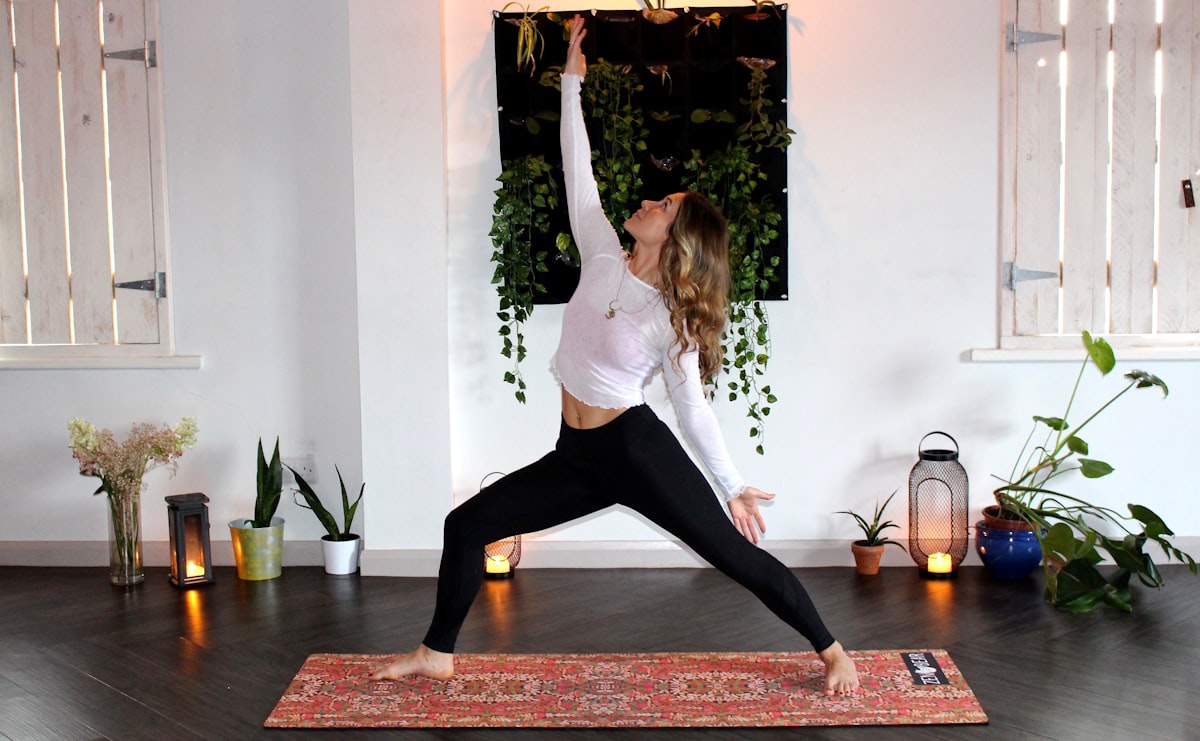
Misaligned Hips in Warrior II
Rotating hips too far forward or backward destabilises the pose. Keep your front hip open and back hip slightly tucked under, creating a strong foundation through both feet planted firmly.
Fix: Square hips to the long edge
 New
NewStrained Neck in Child's Pose
Turning your head to one side or crunching the back of your neck defeats the purpose of this restorative pose. Keep your head neutral with forehead resting lightly on the mat or a block for support.
Fix: Rest forehead down, extend spine
 Top Pick
Sagging Hips in Plank Pose
Letting hips drop creates a sway in the lower back and reduces core engagement. Maintain a straight line from head to heels by drawing your navel toward your spine and pressing your heels back.
Fix: Engage core, lift hips to shoulder height
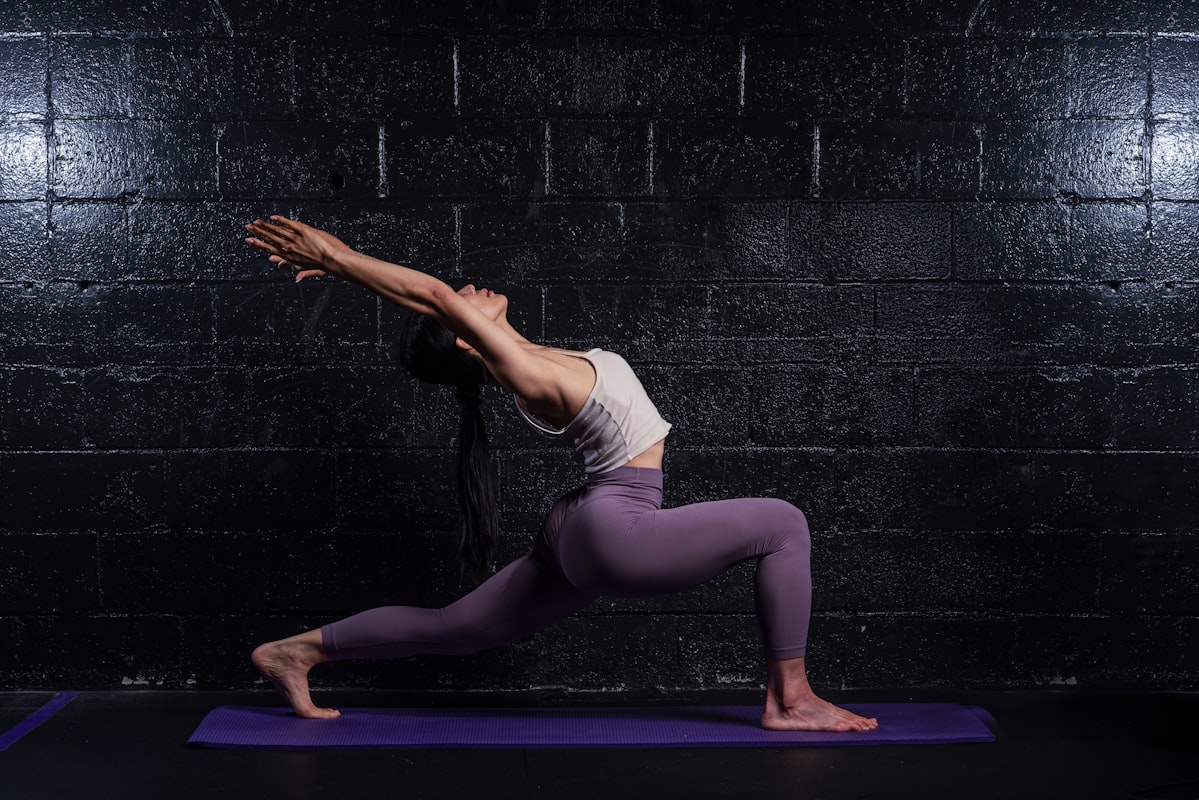
Unbalanced Weight in Mountain Pose
Shifting weight to the inner or outer edges of your feet compromises the foundation. Ground all four corners of your feet equally, distribute weight evenly, and engage the inner thighs to activate the entire lower body.
Fix: Press all four corners of feet down
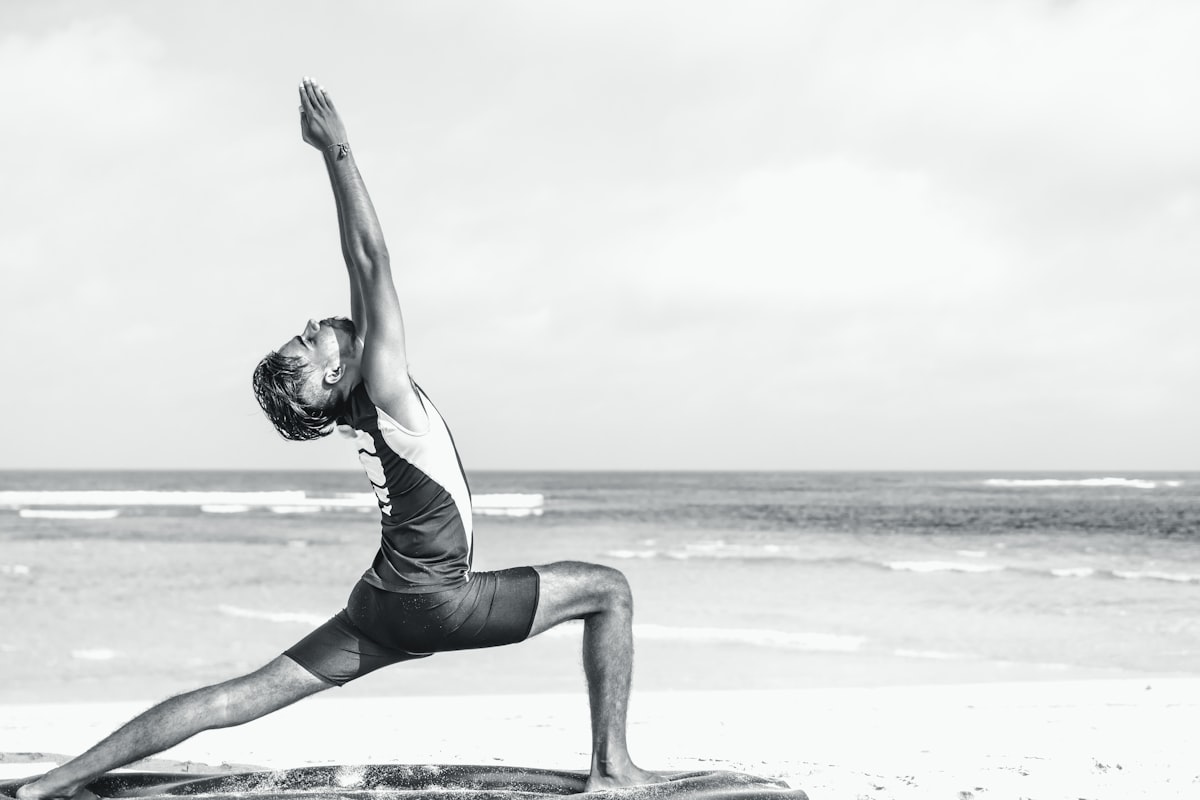
Spine Neutrality: The Foundation of Safe Practice
A neutral spine is the golden rule of yoga alignment. It means maintaining the natural curves of your spine—cervical curve in the neck, thoracic curve in the mid-back, and lumbar curve in the lower back—without exaggerating or flattening any of these curves.
Protecting Your Discs
A neutral spine distributes pressure evenly across your vertebral discs, preventing bulging or herniation that can occur from sustained flexion or extension.
Enhancing Breathing
When your spine is neutral, your rib cage can expand fully, allowing for deeper diaphragmatic breathing and better oxygen flow throughout your body.
Activating Core Muscles
Proper spinal alignment naturally engages your deep core stabilisers, building strength and endurance more effectively than compensation patterns.
"Finding neutral doesn't mean staying rigid. Instead, allow your spine to move as an integrated whole, respecting its natural design."
5-Step Body Scan Alignment Check
Use this systematic approach before and during your practice to quickly assess and correct your alignment. This mental checklist takes just seconds but makes a profound difference.
Check Your Foundation
Begin with your feet or hands—whichever are supporting you. Press all four corners firmly into the mat, creating an even distribution of weight. Feel the earth beneath you providing stable support. Spread your toes or fingers wide to increase your surface area and stability.
Key: Equal weight through all contact points
Engage Your Core
Draw your navel gently toward your spine without holding your breath. This activates your deep abdominal muscles that stabilise your lumbar spine. Think of it as creating a corset around your torso that protects your lower back during movement.
Key: Breathe naturally while maintaining gentle engagement
Neutral Your Spine
Feel the natural curves of your spine without exaggerating them. Find that sweet spot where your spine feels long and supported, neither crunched forward nor arched backward. Imagine a plumb line running through the crown of your head, down your spine, to the base.
Key: Lengthen, don't flatten or sway
Square Your Shoulders and Hips
Roll your shoulders back and down, away from your ears, creating width across your collarbones. Align your hips squarely with your shoulders, avoiding any rotation unless the pose specifically calls for it. This bilateral symmetry ensures balanced engagement of both sides of your body.
Key: Avoid twisting unless intentional
Extend Through Your Crown
Imagine a string pulling the crown of your head toward the ceiling. This lengthens your neck and encourages proper spinal alignment throughout your entire body. Keep your gaze steady (drishti) with your neck in a neutral position, supporting the entire system.
Key: Length creates strength and stability
Alignment Tips by Pose Category
Different pose families have unique alignment considerations. Here are the critical points for standing, forward folding, twisting, and inversion poses.
Standing Poses
- Root through all four corners of your feet for a solid base
- Align ankles directly under hips in symmetrical poses
- Engage quadriceps to protect knees and stabilise hips
- Square hips forward in symmetrical standing poses
- Lengthen your spine and lift through the crown of your head
Forward Folds
- Hinge from your hips, not your waist
- Lead with your chest to maintain a long spine
- Keep your neck neutral—don't force your head down
- Engage your hamstrings and glutes actively
- Feel length in your spine even as you fold deeper
Twisting Poses
- Lengthen your spine before rotating to create space
- Rotate from your thoracic spine, not your lumbar
- Keep your shoulders level—don't collapse into the twist
- Maintain neutral spine alignment throughout the rotation
- Use your breath to gently deepen the twist
Inversion Poses
- Build a strong foundation with your hands or forearms
- Draw elbows in line with shoulders for shoulder stability
- Engage your core strongly to support your lower spine
- Keep your neck in line with your spine—no forced compression
- Work with a teacher or wall support if you're learning
Alignment Questions Answered
Get answers to the most common questions about yoga alignment and form.
Alignment refers to how your body is positioned in space, while flexibility is your range of motion. You can be flexible but misaligned—reaching deep into a fold with a rounded spine is an example. Conversely, you can have excellent alignment in poses that aren't particularly demanding for your flexibility. The goal is to combine both: moving as deeply as your body allows while maintaining proper structural alignment.
Alignment is the foundation; flexibility builds upon it safely.
Good alignment typically feels stable and grounded. Your joints shouldn't feel pinched, and your breath should flow naturally. Common indicators include: even weight distribution through your feet, absence of strain in your knees and lower back, and the ability to engage the intended muscle groups. Practising in front of a mirror occasionally, recording yourself, or taking a class with an experienced teacher who can observe and give feedback are excellent ways to develop alignment awareness.
Over time, your body develops proprioceptive awareness and you'll feel when alignment is off.
Absolutely. Yoga alignment is not one-size-fits-all. Individual differences in bone structure, limb length, and joint mobility mean that the "textbook" alignment might need modification for your body. For example, in Triangle Pose, some people naturally align their shoulders over hips, while others with different proportions may find a slightly different position more sustainable. The core principles—neutral spine, stable foundation, balanced engagement—remain constant, but the expression varies by body.
Honour your body's unique structure rather than forcing it into a shape that doesn't fit.
Yes, misalignment over time can contribute to overuse injuries. For instance, repeatedly collapsing your shoulders in Downward Dog or rounding your spine in forward folds places stress on joints and soft tissues in ways they weren't designed to handle. The good news is that mindful alignment practice builds strength and resilience in the body's natural support systems. Many injuries come from many injuries come from cumulative stress rather than single events, so correcting alignment early prevents problems down the road.
Absolutely, but with modifications and guidance. Yoga is actually therapeutic for many conditions when practiced correctly. We recommend informing your instructor about any injuries so they can suggest pose variations. Props like blocks, straps, and bolsters allow you to access yoga's benefits safely. Many people find that gentle, alignment-focused practice accelerates recovery and prevents re-injury by strengthening stabilizer muscles.
Consistency beats intensity. Three to four sessions per week allows your body to build strength while having adequate recovery time. If you're new to yoga, start with two sessions weekly and gradually increase as your body adapts. Even 20–30 minutes of mindful practice is more beneficial than sporadic longer sessions. The key is making yoga part of your sustainable lifestyle rather than a temporary commitment.
What Our Community Says
Real transformations from practitioners who've embraced holistic fitness and alignment.
"I've been practicing for six months and the change in my posture is remarkable. I no longer get afternoon back pain, and I feel stronger than ever. The alignment cues really made the difference."
Sarah Mitchell
Yoga Practitioner
"As someone recovering from a shoulder injury, I was nervous about returning to fitness. The modifications and personalized attention helped me rebuild strength safely. I'm back to my activities with zero pain."
James Chen
Sports Enthusiast
"The holistic approach changed how I think about fitness. It's not just about the workout—it's about understanding your body, breathing, and mental clarity. I feel transformed."
Emma Rodriguez
Wellness Coach
Ready to Transform Your Fitness Journey?
Join Holisticfitnessdiet today and discover how proper alignment, mindful movement, and holistic nutrition create lasting change. Your best self is just one session away.
No credit card required • Start in minutes • Cancel anytime
Holisticfitnessdiet
Transforming lives through aligned movement, mindful practice, and holistic wellness.
© 2024 Holisticfitnessdiet – VAT: GB154 2226 86. All rights reserved.